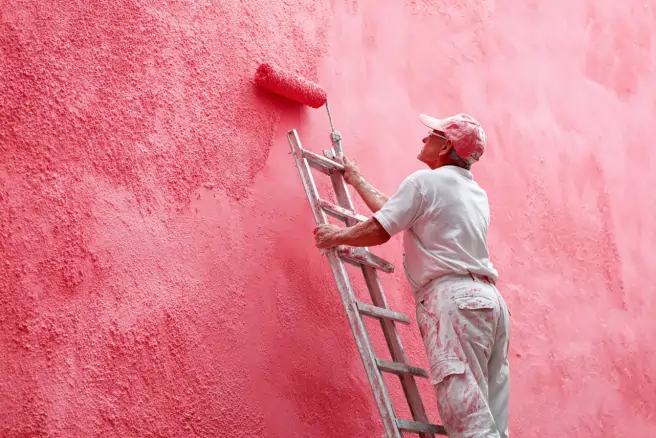
Painting your home can refresh and transform the appearance of your space. However, before you pick up a brush or hire professionals, it’s crucial to evaluate a few factors to ensure the project is successful. Below are seven essential considerations to keep in mind before starting your painting journey.
1. Assess the Condition of Your Walls
Before painting, inspect your walls for cracks, dents, moisture damage, or peeling paint. Addressing these issues beforehand ensures a smooth finish and prevents future problems with paint adherence.
– Fill any holes or cracks using spackle or filler. – Sand uneven areas for a consistent surface. – Repair water damage to prevent paint from blistering.
2. Choose the Right Paint Type
Different areas of your home require different types of paint. Selecting the correct type ensures durability and long-lasting results:
| Paint Type | Best For | Key Features | |———————|————————————-|——————————–| | Matte/Flat | Bedrooms, ceilings | Non-reflective, hides imperfections | | Satin/Eggshell | Living rooms, hallways | Slight sheen, easy to clean | | Semi-gloss/Gloss | Kitchens, bathrooms | Durable and moisture-resistant |
3. Select High-Quality Paint
While budget is an important factor, investing in high-quality paint can save time and effort in the long run. Premium paints often provide better coverage and require fewer coats compared to lower-quality options.
4. Plan Your Color Palette
Choosing colors can feel overwhelming due to the plethora of options available. Consider:
– The room’s purpose (e.g., calming tones for bedrooms or vibrant hues for playrooms).
– How natural light interacts with chosen colors throughout the day. – Complementary shades that align with existing furniture and décor.
5. Understand Your Budget
Set a clear budget for your painting project that includes:
1. Cost of paint (gallons needed based on square footage).
2. Tools (brushes, rollers, painter’s tape).
3. Additional expenses like primer or professional services if outsourcing.
6. Evaluate Time Commitments
Painting can be time-intensive depending on room size and preparation needs:
– Factor in drying times between coats (typically 4–6 hours for most paints). – Account for time spent on prep work like cleaning walls and taping edges.
7. Test Paint Samples
Before committing fully to a color or finish:
– Apply small swatches of paint on your walls. – Observe how each sample looks during different times of day under varying lighting conditions. This step prevents dissatisfaction once the project is complete.
Summary Table of Key Factors:
| Factor | Why It Matters |
| Wall Condition | Ensures proper adherence & smooth finish |
| Paint Type & Quality | Impacts durability & visual appeal |
| Color Selection | Aligns aesthetic goals with functionality |
| Budget Planning | Prevents overspending |
| Time Management | Avoids rushed or incomplete projects |
Taking these factors into account helps create a well-executed plan so you can achieve professional-looking results whether tackling it yourself or hiring experts for assistance.
How Primer Enhances House Painting in Toledo OH for a Flawless Finish
Primer is often an overlooked yet crucial element in any painting project. It serves as the foundation for a durable, smooth, and visually appealing paint job. Without a proper primer, even the highest-quality paints may fail to deliver the desired results. Understanding the role of primer can help you achieve a professional finish while also extending the life of your paint.
What is Primer?
Primer is a preparatory coating applied to surfaces before the main coat of paint. Its primary functions include:
– Sealing porous surfaces: Primer ensures that surfaces like drywall or wood absorb paint evenly, preventing blotches or uneven finishes. – Improving paint adhesion: Primer acts as a binding layer between the surface and the topcoat, ensuring that the paint sticks effectively. – Enhancing color vibrancy: A layer of primer can prevent darker base colors or stains from affecting your final shade. – Preventing peeling and cracking: By providing a stable base layer, primer reduces wear and tear over time.
Types of Primers
| Type | Best For | Key Benefits |
| Latex Primer | Drywall, wood, masonry | Quick drying, low odor |
| Oil-Based Primer | Stained or water-damaged surfaces | Excellent stain-blocking properties |
| Shellac-Based Primer | Knots on wood or smoke-damaged walls | Superior stain coverage |
| Bonding Primer | Glossy or hard-to-paint surfaces (e.g., tiles) | Exceptional adhesion on smooth materials |
1. Prepares Uneven Surfaces
Surfaces with imperfections like cracks, dents, or stains need extra care before painting. A primer helps smooth out these irregularities to create a more polished final result.
2. Increases Paint Durability
Paint applied directly onto walls without primer can wear down quickly due to poor adhesion. A high-quality primer ensures that your topcoat resists peeling, flaking, and fading caused by daily use.
3. Blocks Stains and Odors
Primers work effectively to block stains like ink marks, water spots, or grease from bleeding through your topcoat. For rooms affected by smoke or odors (e.g., kitchens), specialty primers seal in unpleasant smells.
4. Saves Paint and Time
Without priming porous walls like new drywall or untreated wood, you’ll likely end up using more paint than necessary because these surfaces absorb moisture unevenly. A single coat of primer minimizes wasted resources while cutting down on labor time.
When Should You Use a Primer?
While there are some cases where you might skip primer (such as repainting with a similar color), it’s typically necessary in these situations:
– Painting over dark colors with lighter shades. – Covering stains caused by water damage or smoke. – Painting newly installed drywall. – Painting glossy materials like glass or plastic. – Working with exterior walls exposed to harsh weather conditions.
Tips for Applying Primer Effectively
- Clean Your Surface: Ensure all dirt, grease, and dust are removed before applying primer for better adhesion.
- Use Proper Tools: Choose high-quality brushes and rollers designed for primer application.
- Allow Sufficient Dry Time: Follow manufacturer recommendations on drying times to avoid trapping moisture beneath your topcoat.
- Sand Between Coats if Needed: For ultra-smooth finishes on rougher surfaces like wood furniture, lightly sand between coats.
A well-applied layer of primer not only enhances aesthetics but also adds longevity to any painting project—making it an essential step that should never be skipped when aiming for professional-grade results at home.
The Importance of Primer and How It Impacts Your Home’s Paint Finish
Primer is an often-overlooked but essential step in any painting project. Whether painting your home’s interior or exterior, using the right primer can significantly impact the durability, appearance, and overall finish of your paint job. Below, we explore why primer is crucial and how it contributes to a professional-quality result.
What Is Primer?
Primer is a preparatory coating applied to surfaces before painting. Its primary purpose is to create a smooth, even base that ensures better adhesion of paint while enhancing its durability and appearance. Primers are typically formulated to address specific surface conditions, such as stains, porous materials, or uneven textures.
Benefits of Using Primer
- Improved Adhesion: Ensures that the topcoat bonds effectively to the surface, preventing peeling or cracking over time.
- Enhanced Coverage: Reduces the number of paint coats required by providing a uniform base layer.
- Surface Sealing: Prevents porous surfaces (e.g., drywall or bare wood) from absorbing too much paint.
- Stain Blocking: Covers stains like watermarks, smoke damage, or grease spots so they don’t bleed through the paint.
- Color Uniformity: Neutralizes existing colors on the wall for consistent application of new hues.
When Is Primer Necessary?
| Scenario | Type of Primer Recommended |
| Painting over dark or bold colors | Tintable primer |
| Sealing porous materials (e.g., wood) | Oil-based or shellac-based primer |
| Covering stains | Stain-blocking primer |
| New drywall | Latex-based drywall primer |
| Metal surfaces | Rust-inhibiting primer |
Types of Primers
- Ideal for high-moisture areas like bathrooms.
- Works well on wood surfaces and blocks tough stains effectively.
- Suitable for general interior walls and ceilings.
- Dries quickly and has low odor compared to oil-based primers.
- Excellent at blocking severe stains and odors.
- Compatible with many surfaces but may require ventilation due to strong fumes.
Tips for Applying Primer Successfully
- Clean the surface thoroughly—remove dirt, grease, and dust.
- Sand uneven areas lightly for a smoother finish.
- Choose a high-quality brush or roller suitable for the type of surface being primed.
- Apply one even coat; allow it to dry completely before adding paint layers.
- If needed, lightly sand between coats for an ultra-smooth texture.
By prioritizing proper priming in your project plan, you ensure that your home’s painted surfaces not only look stunning but also stand the test of time.
Choosing the Best Painters Toledo OH: Professional Help or DIY?
Deciding whether to hire professional painters or tackle a painting project yourself (DIY) is a critical decision that can impact the outcome of your home improvement efforts. Both options have their own set of advantages, drawbacks, and factors to consider. Below is an in-depth look at what you should weigh when deciding which approach suits your needs.
Factors to Consider Before Making a Choice
- Professional Painters: Hiring professionals often comes with higher upfront costs due to labor charges and expertise fees.
- DIY: Doing it yourself can save money on labor, but keep in mind that you’ll need to purchase tools, materials, and paint—all of which can add up if you lack the necessary supplies already.
- Professional Painters: Professionals typically work more efficiently due to their experience and access to proper equipment. An average interior room may take them one or two days to complete.
- DIY: If you choose the DIY route, expect the project to take longer, particularly if juggling other commitments or learning techniques as you go.
- Professional Painters: Their training ensures smooth finishes, clean edges, and consistent application.
- DIY: While personal effort can yield satisfactory results, achieving professional-level finishes may require practice and skill.
- Professional Painters: They come equipped with everything needed for prep work, painting applications, and cleanup (e.g., drop cloths, ladders, sprayers).
- DIY: If you lack tools like rollers, brushes of various sizes, painter’s tape, or extension poles at home already—you’ll need to invest in these items.
- For large-scale projects like multi-story exteriors or intricate interiors with high ceilings or detailed trim work:
- Professionals are better suited due to safety concerns and skill requirements.
- Simpler tasks (e.g., painting a single wall or touch-ups) may be manageable for DIY enthusiasts.
Pros and Cons: A Quick Comparison Table
| Aspect | Professional Painters | DIY |
| Cost | Higher initial cost | Lower cost (but may rise depending on materials/tools) |
| Time | Faster completion | Requires flexible schedule |
| Skill Level Required | No additional skill required from homeowner | Requires learning/trial-and-error |
| Equipment Needed | Included in service | Must be purchased/rented |
| Quality of Results | High-quality finish ensured | Quality depends on personal skill |
When Should You Opt for Professional Painters?
- When time is limited
- For exterior painting projects requiring scaffolding or specialty equipment
- When aiming for perfect finishes in high-traffic areas
- If tackling repairs such as water damage before painting
When Does DIY Make Sense?
- Small projects like accent walls or furniture pieces
- Budget constraints are severe
- You’re confident in your ability to achieve acceptable results
- You enjoy hands-on home improvement tasks
Final Tips for Making Your Decision
Before choosing one path over another: 1. Assess the scale of the project honestly—smaller-scale jobs lend themselves better to DIY efforts. 2. Consider your budget but avoid compromising quality over minimal savings. 3. Factor in any time limitations; a half-finished paint job can leave rooms unusable longer than planned. 4. Be realistic about your skill level—complex designs like faux finishes demand expertise typically found with professionals.
By carefully evaluating these elements alongside personal preferences and project goals, homeowners can confidently decide between hiring professional painters or embracing the rewarding experience of doing it themselves.
Choosing Between Professional Painters and DIY: What’s Best for Your Home?
Deciding whether to hire professional painters from toledopainters.net or tackle your home painting project as a DIY endeavor can be challenging. Both approaches have their advantages and disadvantages, and the best choice depends on several factors, including your budget, experience, time availability, and the complexity of the job. Below is a comprehensive guide to help you make an informed decision.
Factors to Consider
- Professional Painters: Hiring experienced painters can be more expensive upfront, as you are paying for their expertise, tools, labor costs, and sometimes even premium-quality materials.
- DIY: Doing it yourself often saves money on labor costs; however, keep in mind the cost of purchasing supplies like brushes, rollers, paint trays, primer, drop cloths, tape, and ladders.
- Professional Painters: Professionals typically complete projects swiftly due to their experience and access to adequate resources. This is ideal if you need results within a specific timeframe.
- DIY: Painting on your own can take significantly more time if you are unfamiliar with proper techniques or lack assistance.
- Professional Painters: Trained professionals deliver consistent results with smooth finishes free from common issues like streaks or uneven colors.
- DIY: While rewarding for some homeowners, DIY painting may result in imperfections if proper preparation or techniques are not applied.
- Large-scale or intricate tasks (e.g., textured walls or ceilings) often require special skills that professionals possess.
- For simpler projects such as repainting a small room with solid colors, DIY may suffice.
Pros of Hiring Professional Painters
- Access to high-quality tools and equipment.
- Expertise in surface preparation (e.g., sanding and patching).
- Quick turnaround times for large projects.
- Warranty or guarantee on work completed by licensed contractors.
Pros of DIY Painting
- Greater control over every detail of the project.
- Opportunity to learn new skills and feel accomplished.
- Flexibility in working at your own pace.
- Lower overall costs (assuming you already have basic tools).
When to Choose Professional Painters vs DIY
| Scenario | Professional Painters | DIY |
| Large-scale exterior painting | ✅ | ❌ |
| Tight deadline | ✅ | ❌ |
| Limited budget | ❌ | ✅ |
| Intricate designs or textured walls | ✅ | ❌ |
| Small interior space | ❌ | ✅ |
Tips for Making Your Decision
- Assess your skill level realistically—if you’re new to painting but passionate about giving it a try, start with smaller rooms before advancing to larger spaces.
- Evaluate how much time you can dedicate without disrupting other priorities in your life.
- Research local painters thoroughly if hiring professionals; check reviews and ask for portfolios to ensure their style aligns with your expectations.
Choosing between professional help and doing it yourself ultimately depends on balancing desired outcomes with budgetary constraints and personal preferences. Evaluating all these factors ensures you’ll achieve satisfactory results while staying within your comfort zone.
Inspirational Ideas from a Painting Company Toledo OH to Choose Stunning Colors for Interior Walls
Choosing the right color for your interior walls can transform the ambiance of your home, reflect your personal style, and even influence how you feel in a space. Here are some inspirational ideas to guide you in selecting stunning colors for your next painting project.
1. Understand the Mood of Each Room
- Living Room: Warm neutrals like beige or greige (a blend of gray and beige) create a welcoming environment, while bold colors like emerald green or navy blue can make a statement.
- Bedroom: Soft tones like lavender, pastel blues, or muted greens evoke calm and relaxation.
- Home Office: Shades of blue or green promote focus and productivity. Alternatively, incorporate accent walls with darker hues to define the space.
- Kitchen/Dining Area: Earthy tones like terracotta or creamy whites feel inviting, while energetic shades like sunflower yellow can add warmth.
2. Utilize Color Psychology
| Color | Associated Mood/Effect | Best Used In |
| Blue | Tranquility, calmness | Bathrooms, bedrooms |
| Yellow | Happiness, energy | Kitchens, entryways |
| Green | Harmony, balance | Living rooms, home offices |
| Gray | Sophistication | Living rooms, modern interiors |
| Red | Energy, passion | Dining rooms as an accent color |
3. Draw Inspiration from Nature
- Earth Tones: Opt for shades like rust orange, clay brown, or olive green to mimic natural surroundings.
- Coastal Hues: Soft blues and sandy beiges evoke beachside relaxation.
- Floral Influence: Rose pinks or lavender purples offer subtle elegance.
4. Experiment with Accent Walls
- Paint one wall in a deep hue such as charcoal gray or burgundy while keeping the other walls neutral.
- Pair textured wallpapers with paint for added depth and visual interest.
- Consider geometric patterns using complementary paint colors for creativity.
5. Explore Trending Color Palettes
- Monochromatic Schemes: Use varying shades of one color (e.g., light teal paired with deep teal). This creates a cohesive yet dynamic look.
- Soft Minimalism: Neutral palettes accented by blush pinks or sage greens remain popular for their soothing aesthetic.
- Bold Contrasts: Pair unexpected combinations such as mustard yellow with charcoal gray.
6. Test Before You Commit
- Purchase small sample pots of potential colors.
- Apply swatches on different areas of your wall to observe how they appear under various lighting conditions throughout the day.
- Compare warm vs cool undertones against existing furniture and decor elements.
Final Thoughts on Selecting Colors
Choosing stunning interior paint colors is about harmonizing aesthetics with functionality while reflecting individual preferences. Take time exploring these ideas to breathe new life into your home’s design through thoughtful color selections tailored specifically for each space’s needs and personality traits.
Unique Color Collections to Transform the Look of Your Living Space
Choosing the right color palette for your living space is one of the most effective ways to create a unique and personalized environment. Colors have a profound impact on mood, perception, and the overall vibe of your home. By exploring distinctive and curated color collections, you can transform your interiors into a space that reflects character, style, and functionality.
The Power of Neutral Tones
- Warm Beige: Adds a sense of coziness and warmth.
- Soft Greys: Perfect for modern interiors with a sleek touch.
- Creamy Whites: A classic option that brightens smaller spaces.
Pairing neutrals with statement furniture or bold décor elements can help balance subtlety with flair.
Bold and Vibrant Hues for Personality
- Rich Terracotta: Brings earthy elegance into dining or living rooms.
- Deep Emerald Green: Evokes luxury while maintaining natural sensibilities.
- Vivid Mustard Yellow: Adds warmth and optimism to any setting.
Bold hues are best used sparingly to avoid overwhelming the space.
Soft Pastels for Tranquility
| Pastel Shade | Suggested Room Type | Complementary Colors |
| Pale Lavender | Bedrooms | White, silver accents |
| Mint Green | Kitchens | Light woods, beige |
| Sky Blue | Bathrooms | Soft grey or sandy beige |
These colors exude relaxation while maintaining visual interest when paired thoughtfully.
Monochromatic Schemes for Modern Living
- Shades of blue ranging from navy to powder blue can create a cohesive yet dynamic look.
- Using different intensities of grey provides an industrial-chic aesthetic perfect for urban homes.
To avoid monotony in monochromatic spaces, add texture through furnishings like rugs or throws.
Earth-Inspired Palettes
These hues connect your space with organic elements and can be complemented by indoor plants or natural materials like wood and stone.
Final Thoughts on Choosing Unique Colors
When selecting unique color collections for your living space, it’s essential to consider factors such as lighting (natural vs. artificial), room size, existing furnishings, and personal preferences. Testing paint samples before committing to large areas will ensure you’re happy with the result. With carefully chosen combinations from various palettes—whether neutral tones or bold statements—you can truly transform your home into an inviting sanctuary that resonates with individuality.
Essential Tips for Achieving Long-Lasting Paint on Exterior Walls
Painting the exterior walls of your home is a significant investment, so ensuring that the paint job lasts as long as possible is crucial. Proper preparation, high-quality materials, and careful maintenance are key to achieving a durable and professional finish. Below are essential tips to help you achieve long-lasting paint on your exterior walls.
1. Prioritize Surface Preparation
- Clean the Surface: Use a pressure washer or scrub with soap and water to remove dirt, grime, mold, and mildew from walls.
- Repair Damage: Fill cracks or holes with an appropriate filler or patching compound to create a smooth surface for painting.
- Remove Loose Paint: Scrape off old, flaking paint using a scraper or wire brush for proper adhesion of new paint layers.
- Sand Rough Areas: Sand uneven surfaces to ensure better paint application and a flawless finish.
2. Choose High-Quality Paints and Materials
| Type of Paint | Durability Features | Ideal Usage |
| Acrylic Latex | Crack-resistant, UV-protected | Most climates; versatile choice |
| Elastomeric | Waterproof; highly flexible | Areas prone to heavy rain or temperature swings |
| Oil-based | Long-lasting adhesion | Wood surfaces; less common today due to VOCs |
Additionally:
– Opt for brushes and rollers designed for textured surfaces if painting over stucco or brick walls. – Use superior primers formulated for outdoor conditions.
3. Apply Primer Correctly
Primer is essential when painting exterior surfaces as it enhances adhesion and provides a uniform base color. Here are key points to keep in mind:
– Match the primer type with the paint (e.g., latex primer with latex paint).
– Use stain-blocking primers if there are watermarks or discolorations on walls. – For porous surfaces like masonry, consider using masonry sealers or specific primers.
4. Pay Attention to Weather Conditions
Ideal Painting Conditions:
– Temperature between 50°F (10°C) and 85°F (30°C). Extreme heat can cause paint drying too quickly while low temperatures hinder proper curing. – Avoid painting during rainy days or when humidity levels exceed 70%. Moisture prevents proper adhesion and curing of paints.
Planning around weather forecasts ensures optimal results.
5. Apply Multiple Coats Correctly
While one coat may seem sufficient initially, applying at least two coats ensures even coverage and additional durability over time: 1. Allow each coat sufficient drying time based on manufacturer instructions. 2. Rollers should be used consistently in one direction to avoid streaky finishes.
6. Maintain Your Exterior Walls Regularly
Regular maintenance extends the life of your painted exterior walls significantly: – Wash your home’s exteriors annually to remove dirt buildup. – Touch up small chips promptly before they expand into larger issues. – Inspect caulking around windows/doors regularly and reapply where necessary to prevent moisture infiltration.
By following these strategies, you’ll ensure your home’s exterior retains its beauty while staying protected against harsh environmental elements for years ahead.
- Top 7 Essential Factors to Consider for Interior & Exterior Painting Toledo OH
- How Often Does Your House in Toledo OH Need Painting Both Inside and Outside
- Expert Tips and Techniques for House Painting Toledo OH: Achieve Stunning Results
- Your Comprehensive Guide to House Painting Toledo OH: Master the Art
- Finding the Best Painters Toledo OH for Interior and Exterior Projects
- How to Choose a Painting Company Toledo OH: Tips for Long-Lasting Results
- Mastering Interior Painting Techniques: Expert Tips for House Painting Toledo OH
- Signs You Need to Repaint Your Home with a Painting Company Toledo OH


